|
Product Name |
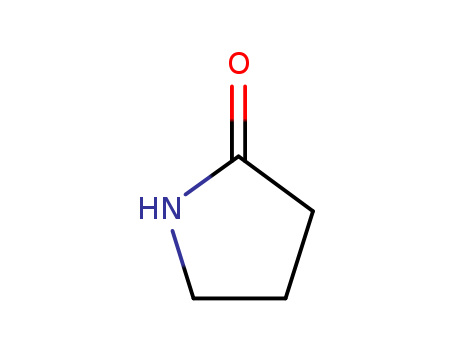
α-Pyrrolidone (α-P) |
||
|
Appearance |
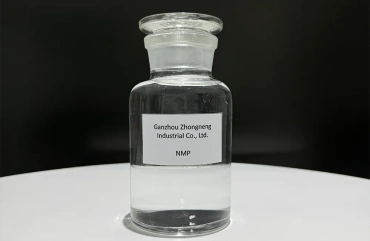
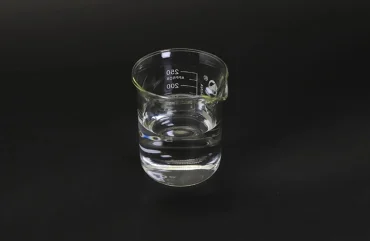
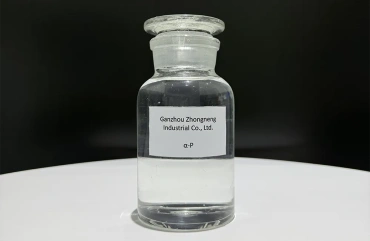
Colorless or pale yellow liquid/crystal |
||
|
Application Fields |
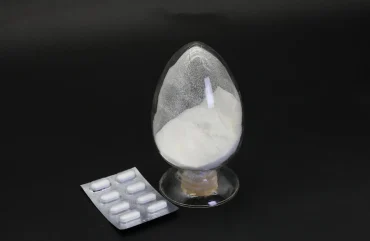
Pharmaceuticals, textiles, electronic cleaning, etc. |
||
|
Item |
α-P Superior Grade |
α-P First Grade |
α-P Qualified Grade |
|
Purity |
≥99.50% |
≥99.00% |
≥98.50% |
|
Moisture |
≤0.10 wt% |
≤0.20 wt% |
≤0.20 wt% |
|
Color (HaZen) |
≤20 |
≤30 |
≤30 |
Unified Environmental Requirements Standard: Complies with the latest standards for SVHC (Substances of Very High Concern) limits in RoHS 2011/65/EU, EN 14582, and EU REACH Regulation (1906/2006). Except for special requirements from customers.
200KG galvanized iron drum, bulk water tank truck (30MT)
|
Preparation |
Pyrrolidone is prepared from butyrolactone by a Reppe process, in which acetylene is reacted with formaldehyde. |
|
Definition |
ChEBI: 2-Pyrrolidinone is the simplest member of the class of pyrrolidin-2-ones, consisting of pyrrolidine in which the hydrogens at position 2 are replaced by an oxo group. The lactam arising by the formal intramolecular condensation of the amino and carboxy groups of gamma-aminobutyric acid (GABA). It has a role as a polar solvent and a metabolite. |
|
Production Methods |
The synthesis of 2-pyrrolidone was first reported in 1889 as the product of dehydration of 4-aminobutanoic acid. It is produced commercially by condensation of butyrolactone with ammonia, a method first described in 1936. Other synthetic routes include carbon monoxide insertion into allylamine, hydrolytic hydrogenation of succinonitrile, and hydrogenation of ammoniacal solutions of maleic and succinnic acids (Hort and Anderson 1978). |
|
Reactions |
2-Pyrrolidone undergoes the reactions of a typical lactam, e.g. ring opening, attack on the carbonyl group, and replacement of hydrogens alpha to the carbonyl group. Strong acids and bases catalyze the hydrolysis of 2-pyrrolidone to 4-aminobutanoic acid (GABA). The hydrogen atom on the nitrogen atom is easily replaced by alkylation reactions with alkyl halide or sulfates, or reaction with acid anhydrides, acyl halides, ethylene oxide, and styrene. Condensation reactions with secondary amines and alcohols, and O-alkylation reactions occur at the carbonyl group. In the presence of anionic catalyst systems, 2-pyrrolidone is polymerized to polypyrrolidone, nylon-4 (Hort and Anderson 1978). |
|
Health Hazard |
Exposure to 2-pyrrolidone produces irritation to the eyes, mucous membranes, and skin. Although reported to be a skin sensitizer in animal tests, there is no indication that 2-pyrrolidone is a skin sensitizer in human exposures (Anon 1975). 2-Pyrrolidone has been reported to enhance the permeability of human skin for methanol, but reduced the permeability for octanol (Southwell et al 1983). |
|
Flammability and Explosibility |
Nonflammable |
|
Pharmaceutical Applications |
Pyrrolidone and N-methylpyrrolidone are mainly used as solvents in veterinary injections. Pyrrolidone has been shown to be a better solubilizer than glycerin, propylene glycol, or ethanol. They have also been suggested for use in human pharmaceutical formulations as solvents in parenteral, oral, and topical applications. In topical applications, pyrrolidones appear to be effective penetration enhancers. Pyrrolidones have also been investigated for their application in controlled-release depot formulations. |
|
Industrial uses |
2-Pyrrolidone is used as an intermediate for synthesis of l-vinyl-2-pyrrolidone and various TV-methylol derivatives used as textile-finishing agents; as a solvent for various polymers, chlordane and DDT, d-sorbitol, glycerin, and sugars; and as a decolorizing agent for kerosene, fatty oils, and rosins. N-methyl-2-pyrrolidone and 2-pyrrolidone are utilized in petroleum refining to selectively extract aromatics from paraffinic hydrocarbons. 2-Pyrrolidone is used as a plasticizer and coalescing agent for acrylic latices and acrylic/styrene copolymers in emulsion coatings, i.e. floor waxes. A linear high molecular weight polyamide polymer of 2-pyrrolidone, nylon-4, is used as a textile fiber, injection molding compound, and film-forming polymer (Anon. 1975; Hort and Anderson 1978). |
|
Safety |
Pyrrolidones are mainly used in veterinary injections and have also been suggested for use in human oral, topical, and parenteral pharmaceutical formulations. In mammalian species, pyrrolidones are biotransformed to polar metabolites that are excreted via the urine. Pyrrolidone is mildly toxic by ingestion and subcutaneous routes; mutagenicity data have been reported. LD50 (guinea pig, oral): 6.5 g/kg LD50 (rat, oral): 6.5 g/kg |
|
Metabolism |
A metabolite of 2-pyrrolidone, 4-aminobutanoic acid has been identified in animals (Lundgren et al 1980). 2-Pyrrolidone has been reported to be an endogenous constituent in the brains of mice (Callery et al 1978) and bovine (Mori et al 1975). The aliphatic polyamine putrescine has been demonstrated to be metabolized to 2-pyrrolidone in rat liver slices (Lundgren and Hankins 1978; Lundgren et al 1985) and to lesser extent by slices of spleen and lung, but not in tissue slices from kidney, brain, heart, or rear leg muscle (Lundgren and Hankins 1978). The metabolism of putrescine is catalyzed by the microsomal enzyme diamine oxidase (EC 1.4.3.6) to 4-aminobutyraldehyde, which is subsequently oxidized to the neurotransmitter 4-aminobutanoic acid (4-aminobutyric acid, GAB A) or is cyclized to delta1-pyrroline (Seiler 1980; Lundgren et al 1980; Callery et al 1980), which is in turn oxidized to 5-hydroxy-2-pyrrolidone (Lundgren and Fales 1980). There is evidence that 5-hydroxy-2-pyrrolidone is further metabolized to succinimide, malimide, 2- and 3-hydroxysuccinamic acids, maleamic acid, and carbon dioxide (Bandle et al 1984). An enzyme system residing in the soluble fraction of rabbit liver catalyzes the conversion of delta'-pyrroline to ?-aminobutyric acid and its lactam, 2-pyrrolidone (Callery et al 1982). 2-Pyrrolidone has been identified as a urinary metabolite of N-nitrosopyrrolidine (Cottrell et al 1980) and the drug methadone (Kreek 1980). |
|
storage |
Pyrrolidone is chemically stable and, if it is kept in unopened original containers, the shelf-life is approximately one year. Pyrrolidone should be stored in a well-closed container protected from light and oxidation, at temperatures below 20°C. |
|
Incompatibilities |
Pyrrolidone is incompatible with oxidizing agents and strong acids. |
InChI:InChI=1/C4H7NO/c6-4-2-1-3-5-4/h1-3H2,(H,5,6)
Oxidation of cis or trans 1,5-diazadecal...
Atomically precise gold cluster catalyst...
-
-
Glutamic acid, an abundant nonessential ...
-
Herein, we report the isolation and a re...
We have synthesized compounds: N-(2-amin...
Kinetics of formation of thermolysis pro...
The catalytic aerobic α-oxidation of ami...
The present disclosure provides compound...
We report a highly atom-efficient integr...
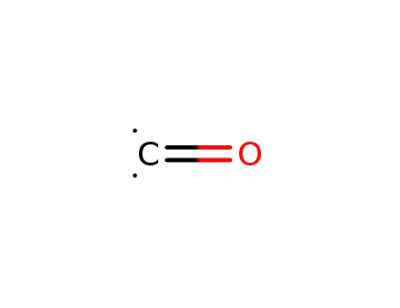
carbon monoxide


1-amino-2-propene

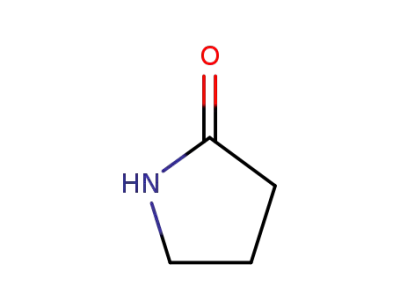
2-pyrrolidinon
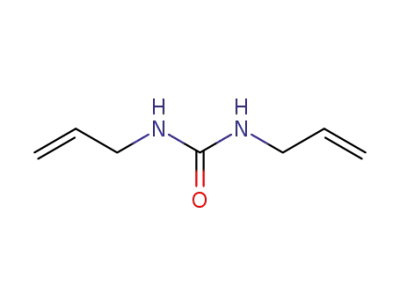
1,3-diallylurea
| Conditions | Yield |
|---|---|
|
With tributylphosphine; cobalt(II) acetate; In methanol; at 25 ℃; Irradiation;
|
1.8 % Chromat. 20.4 % Chromat. |
carbon monoxide
1-amino-2-propene
2-pyrrolidinon
1,3-diallylurea
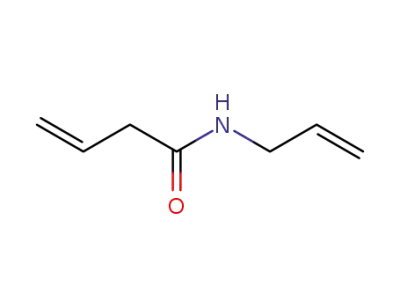
N-allyl-3-butenamide
| Conditions | Yield |
|---|---|
|
dicobalt octacarbonyl; In methanol; at 25 ℃; for 18h; Product distribution; Irradiation; other catalyst, other solvents, other gas, other substrates;
|
2.1 % Chromat. 13.0 % Chromat. 3.8 % Chromat. |
|
With hydrogen; dicobalt octacarbonyl; In methanol; at 25 ℃; for 18h; Irradiation;
|
2.6 % Chromat. 13.3 % Chromat. 6.0 % Chromat. |
|
dicobalt octacarbonyl; In benzene; at 25 ℃; for 42h; Irradiation;
|
10.7 % Chromat. 4.8 % Chromat. 17.2 % Chromat. |
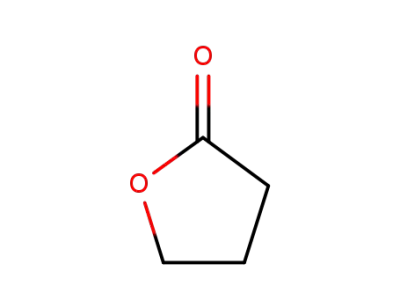
4-butanolide
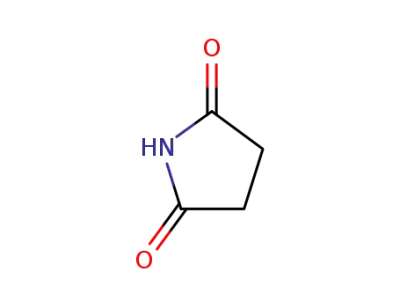
Succinimide
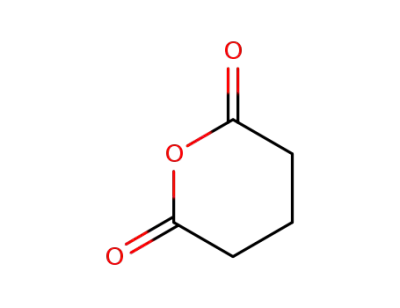
glutaric anhydride,
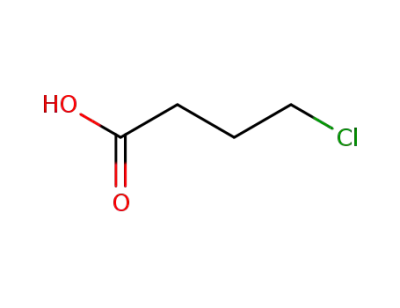
γ-chlorobutyric acid
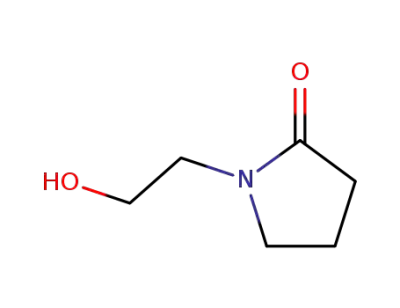
1-(2-hydroxyethyl)-2-pyrrolidinone
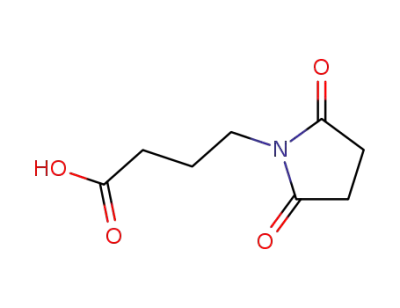
4-(2,5-dioxopyrrolidin-1-yl)butanoic acid
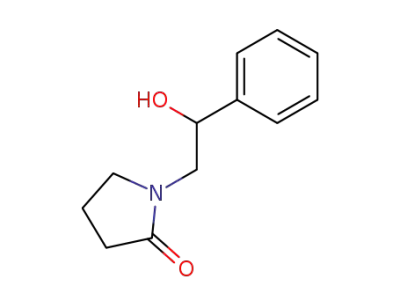
N-(2-hydroxy-2-phenylethyl)pyrrodidin-2-one
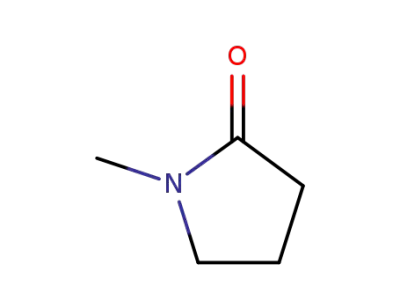
1-methyl-pyrrolidin-2-one
For inquiries About Our Products, Please Leave Your E-Mail To Us And We will Contact You Within 24 Hours.

Address:Xingcun Road, Xinfeng County Industrial Park, Ganzhou City, Jiangxi Province E-mail:contactus@gzznsy.cn
Tel:+86 7973396425 Phone:13988304234